
Here's some good news: the FDA recently approved labeling changes for menopausal hormone therapy products, softening outdated boxed-warning language that scared off a generation of women and doctors alike. This guide walks through the signs you might need estrogen, the types of therapy available, the real risks, and how a personalized primary care relationship can help you decide what's right for you.
Key Takeaways
- Perimenopause causes estrogen levels to swing wildly before dropping, driving most menopausal symptoms
- Starting estrogen within 10 years of menopause or before age 60 offers a more favorable risk-benefit profile
- Systemic and local estrogen therapies target different symptoms. One isn't a substitute for the other
- Your personal and family health history determines candidacy, not a generic checklist
- Annual reassessment with a trusted provider keeps therapy aligned with your changing needs
Understanding Estrogen Decline in Perimenopause
Perimenopause is the transitional window before your periods stop for good. During this time, your ovaries' production of estrogen and progesterone becomes erratic, then gradually declines. Cycles get unpredictable before disappearing altogether.
This hormonal rollercoaster shows up as:
- Hot flashes and night sweats
- Vaginal dryness
- Mood swings and irritability
- Disrupted sleep
- Brain fog and difficulty concentrating
- Irregular periods
When Does This Typically Start?
Most women enter perimenopause between ages 45 and 55, though it can start earlier. The average age of the last menstrual period in the US is 51, and symptoms related to the transition can last anywhere from two to eight years.
Perimenopause is not menopause. Menopause is a single point in time, confirmed only after 12 full months without a period. Everything before that, while your body is still cycling (even irregularly), is perimenopause.

How Do I Know If I Need Estrogen During Perimenopause?
The deciding factor isn't a single bad night. It's whether symptoms are consistently disrupting your quality of life — your sleep, your relationships, your ability to function at work.
Watch for these patterns:
- Hot flashes or night sweats several times a week
- Vaginal dryness or pain during intercourse
- Sleep that stays broken even with good habits
- Mood instability that feels out of character
- Periods becoming irregular alongside worsening symptoms
Lab testing isn't always necessary. According to ACOG, perimenopause is largely a clinical diagnosis based on age and symptom patterns, not a single blood test. FSH and estradiol testing is more commonly reserved for women under 45 — especially under 40 — who may be experiencing early or premature ovarian insufficiency.
Talk with a provider about estrogen sooner if you:
- Are under 45 with significant perimenopause-like symptoms
- May have early or premature ovarian insufficiency
- Have had your ovaries surgically removed
Track symptoms for a few weeks first. Note frequency, timing, and severity, then bring that record to a primary care visit — in-home, virtual, or in person — instead of guessing alone.
Signs That Estrogen or HRT Is Working
Once therapy starts, most women notice:
- Fewer, milder hot flashes and night sweats
- Improved, more restorative sleep
- More stable mood day to day
- Less vaginal dryness and discomfort
Improvement typically appears within a few weeks to a couple of months. A clinical trial testing low-dose oral estradiol found significant symptom reduction by the eight-week mark compared to placebo. If you're not seeing progress after that window, revisit your dose or delivery method with your provider rather than assuming HRT "doesn't work" for you.

Benefits and Types of Hormone Therapy for Perimenopause
Not all estrogen therapy looks the same. The right form depends entirely on which symptoms you're treating.
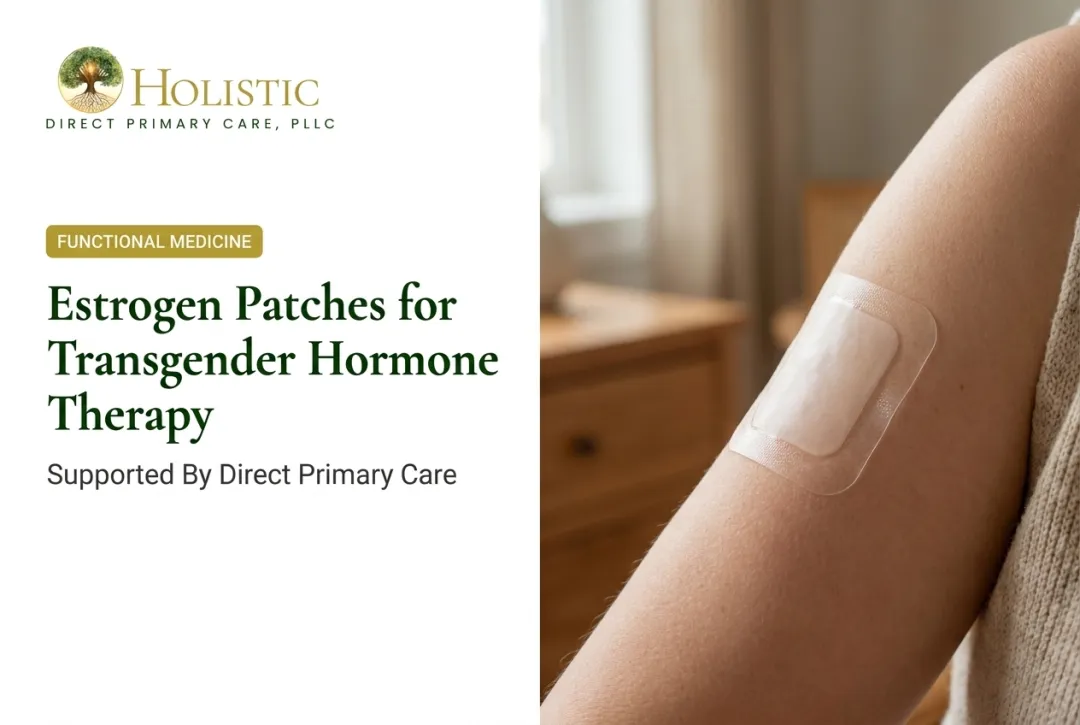
Systemic estrogen (pills, patches, gels, sprays, rings) circulates through your bloodstream and addresses widespread symptoms:
- Hot flashes and night sweats
- Mood changes
- Bone density loss
Low-dose vaginal estrogen (cream, tablet, or ring) stays localized, with minimal absorption into the bloodstream. It's ideal for vaginal dryness, pain during sex, and urinary symptoms — without the systemic exposure of full-dose therapy.
If you still have a uterus and use systemic estrogen, you also need a progestogen. Estrogen alone thickens the uterine lining and raises endometrial cancer risk; progestin counters that effect.

Delivery method is only half the decision. When you start therapy shapes the benefits you may get beyond symptom relief.
The Timing Matters More Than You Think
Research backs up starting earlier rather than later. The NEJM ELITE trial found less progression of arterial thickening when estradiol began within six years of menopause, a benefit not seen when treatment started a decade or more afterward. Beyond symptom relief, starting hormone therapy earlier in the transition is linked to:
- Osteoporosis prevention
- Potential cardiovascular protection
- Possible cognitive benefits
"Bioidentical" does not automatically mean safer. FDA-approved options such as estradiol and micronized progesterone go through rigorous safety review. Compounded formulations sold outside that system are not FDA-regulated, and no solid evidence shows they outperform approved products.
Risks, Downsides, and Who Should Avoid Estrogen Therapy
Hormone therapy isn't risk-free, and it's not right for everyone. Known risks include:
- Increased risk of blood clots and stroke
- Small increased breast cancer risk with combined therapy
- Endometrial cancer risk if estrogen is used without progestogen in women with a uterus
- Gallbladder disease

Estrogen therapy is generally not recommended if you have a history of:
- Breast or endometrial cancer
- Stroke, heart attack, or blood clots
- Liver disease
It is also not recommended during pregnancy.
Age and timing matter. Starting therapy after age 60, or more than 10 years past menopause, carries higher absolute risk than starting earlier in the transition.
Common, manageable side effects include:
- Spotting or breakthrough bleeding
- Breast tenderness
- Bloating
- Headaches
Most of these resolve with a dose or formulation adjustment. You usually do not need to tough it out—or stop therapy—without trying that first.
How Long Should You Stay on Estrogen, and When Is It Too Late to Start?
There's no universal stop date. Duration should be reviewed annually based on your symptoms, health changes, and evolving risk factors, not a rigid calendar rule.
Timing still matters. Risk is generally higher when you:
- Start after age 60
- Begin more than a decade after menopause
Earlier initiation is preferable when therapy makes sense for you. An ongoing relationship with a primary care provider matters more than any calendar cutoff. At Holistic Direct Primary Care, longer visit times support the regular reassessment hormone therapy needs: checking how you're feeling, adjusting as needed, and folding that conversation into your whole-person care plan.
Getting Personalized Guidance for Your Perimenopause Journey
Estrogen decisions shouldn't come from a generic checklist. Your symptoms, family history, and lifestyle all factor in, and they're unique to you.
A provider who takes time for in-depth conversations makes a real difference here. Holistic Direct Primary Care offers in-home and virtual visits designed around personalized hormone health planning rather than rushed, ten-minute appointments.
While you're addressing perimenopause, pair that conversation with broader preventive care:
- Bone health screening to catch density changes early
- Cardiovascular risk assessment before starting or adjusting hormones
- Mental health support for mood, sleep, and stress shifts
Whole-person care reviews these findings together so your hormone plan reflects the full picture, not one symptom at a time.
Frequently Asked Questions
How is hormonal imbalance treated during perimenopause?
Treatment options include hormone therapy, lifestyle changes like sleep and stress management, and non-hormonal medications for specific symptoms. The right combination should be individualized to your symptoms and health history.
How long should a woman stay on estrogen (HRT or estradiol)?
There's no fixed timeline. Duration should be reassessed annually with your provider based on ongoing symptoms and any changes in your risk factors.
At what age is it too late to start estrogen (HRT)?
Risk generally increases when starting after age 60 or more than 10 years post-menopause. Still, individual health evaluation matters more than age alone.
What are the risks, downsides, and contraindications of estrogen replacement (HRT)?
Major risks include blood clots, stroke, and small increases in breast or endometrial cancer risk. It's generally avoided in women with a history of these cancers, stroke, heart attack, blood clots, or liver disease.
What are the benefits of taking estrogen during perimenopause?
Benefits include relief from hot flashes, night sweats, and vaginal dryness, plus bone density protection. Starting earlier in the transition may also offer cardiovascular and cognitive benefits.
What is the best hormone therapy for perimenopause?
There's no single "best" option — it depends on your specific symptoms, whether you have a uterus, and your personal health history. That's a decision to make together with your provider.